
Concrete is a popular material for construction projects, but it can also be expensive. Whether you’re building a new home or renovating your existing one, working with concrete requires careful planning and attention to detail. In this blog post, we’ll explore some tips that will help you avoid costly mistakes when working with concrete.
Choosing the Right Concreter for Your Project
The first step in any successful concrete project is choosing the right concreter. Look for someone who has experience working with concrete and has a good reputation in the industry. Ask for references from previous clients and check out their work before hiring them. A reputable concreter will have no problem providing you with references and showing examples of their work.
Understanding Why Concrete Work Can Be Expensive
One reason why concrete work can be so expensive is because it takes time and skill to do correctly. Pouring concrete involves more than just mixing up some cement and water; it requires precise measurements, proper drainage, and expertise in finishing techniques like troweling and edging. Additionally, materials such as reinforcing steel and expansion joints may need to be added to ensure durability and longevity.
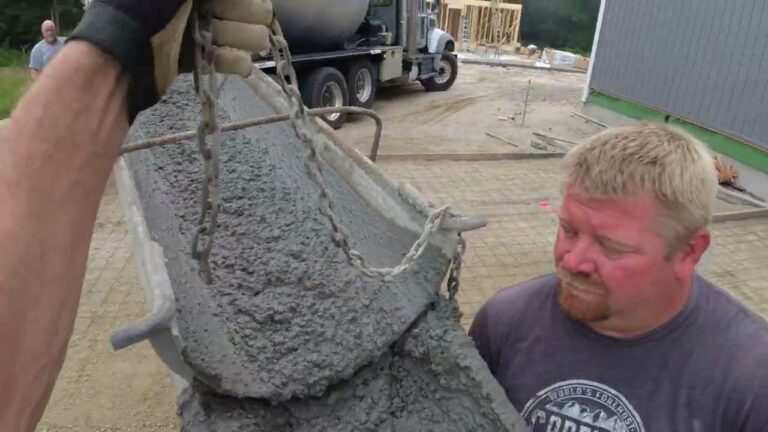
Is Concrete Worth the Money? Weighing the Pros and Cons
While concrete can be expensive, there are many reasons why it’s worth the investment. For starters, concrete is incredibly strong and durable, making it ideal for high-traffic areas like driveways and patios. It’s also versatile enough to use indoors and outdoors, and can be customized with different colors and finishes. However, if you’re looking for something less expensive, other options include pavers, gravel, or even grass.
Avoiding Common Mistakes When Working with Concrete
To avoid common mistakes when working with concrete, make sure to follow these guidelines:
1. Plan ahead – take the time to carefully plan your project, including the layout, dimensions, and materials needed. This will save you time and money in the long run.
2. Prepare the site properly – ensure that the area where you’ll be pouring concrete is level and free of debris. If necessary, add compacted soil or gravel to create a solid base.
3. Use quality materials – don’t skimp on materials by using subpar cement or aggregates. Cheap materials could result in weak spots or cracks later down the road.
4. Mix and pour correctly – mix the concrete according to the manufacturer’s instructions, and pour it slowly and steadily into place. Don’t rush the process, as this can lead to air bubbles or uneven surfaces.
5. Allow adequate curing time – give the concrete plenty of time to dry and harden before walking or driving on it. Follow the recommended curing times provided by the manufacturer.
In conclusion, while working with concrete can be expensive, taking the time to choose the right contractor, understand the costs involved, and avoid common mistakes can help you achieve a beautiful and lasting end product.


